
Alkalis
Home / Alkalis
Alkalis are soluble salts that are effective in cleaning fabrics and removing dirt without excessive rubbing. A soluble salt of an alkali metal like potassium or sodium, alkalis are good grease removers, as they form emulsion, a mixture where oily or solid particles are held in suspension. The particles do not separate from the remaining liquid and hence they do not re-deposited on the surface being cleaned.
Earlier, the alkalis used in soap manufacturing process, were obtained from the ashes of plants, but now days, they are produced commercially. Today, the term alkali describes a substance, which is a base (chemically) and which reacts with an acid to neutralize it. The most common alkalis used now days in soapmaking is sodium hydroxide (NaOH), which is also known as caustic soda; and potassium hydroxide (KOH), also known as caustic potash.
Potassium based soaps form a more water-soluble product than a sodium-based soap, and hence they are known as "soft soaps." Soft soaps, alone or in combination with sodium-based soaps, is generally used to make shaving creams and other water-soluble products.
When oil is mixed with an alkali, it forms glycerin and a sodium salt of fatty acid. The fatty acids that are required to manufacture soaps are supplied by tallow, grease, fish oils, and vegetable oils. The characteristics of soap, such as hardness, lathering qualities and transparency may vary depending on the combinations of alkalis and fats used as ingredients. Alkaline cleaners can also be used to remove oil from an oil-based paint, by drying it and causing it to peel or crack. Alkali products also have a property to darken aluminum surfaces
Structure of Fats
Fats are esters in which the OR' (alcohol) part of the molecule is the
trihydroxy compound, glycerol (HOCH2CHOHCH2OH). As each glycerol molecule
can be esterified with a different carboxylic acid, there are three
carboxylic acid portions in these molecules, which are consequently known as
triacylglycerols or triglycerides. These carboxylic acid groups generally
have long hydrocarbon chains of 14-20 carbons (including the carbonyl
carbon). These chains are usually unbranched and, most importantly, they
contain even numbers of carbon atoms. The carboxylic acids that are obtained
by hydrolysis of fats are known as fatty acids.
This is interpreted to determine that the fatty acids are made up of 2-carbon atoms at a time. Each unit of 2-carbon atoms is added by reacting the alpha carbon of one acetate unit with the carbonyl carbon of the next.
Fats for Soapmaking
It has been found that almost any fat can be used in soapmaking. Fats for
soap making may include animal fats, like tallow (fat from beef), lard (fat
from pork), and many plants derived hydrogenated fats and oils.
Traditionally, animal fats have been used, with beef tallow considered to
make the hardest soap, pork lards - medium hardness soap and chicken fat as
the softest. Now days, it is generally accepted that the harder fats produce
better soap.
There are variety of fats with each bring their own unique characteristics and qualities to soap. Whatever type of fat or oil is used, it is important to make sure that it is clean and free of impurities. It should not be rancid, should have excess salt in it, or have any solid particles. Rancid and dirty fat can be cleaned by heating it for a few minutes in a large container, with four parts water to one part fat. Set it aside and let it to cool down. After the fat has solidified, remove it from the container in one piece.
Best Soaps for Skincare
According to experts, lard beats tallow and vegetable oils have found to be
highly gentle and great for skin. However, soaps made with 100% lard do not
lather very well but they are known to have effective in cleaning. There is
a predominant perception today that you should get bubbles for the soap for
its proper functioning.
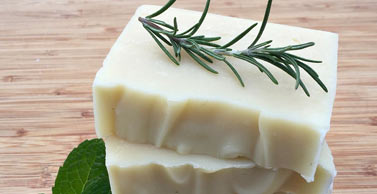
If you have decided to make soap at home, you will need soap making supplies in the form of raw materials, soap making equipment & tools ...
Read More
Someone has rightly said that clothes are not just clothes. They form an integral part of a person's personality and tell a lot about their nature and...
Read MoreCleansing products play an important role in the daily lives of people.
Both soaps and detergents are cleansing products that we frequently use in our
Soap is designed as a product to be used once and then flushed down the drain...